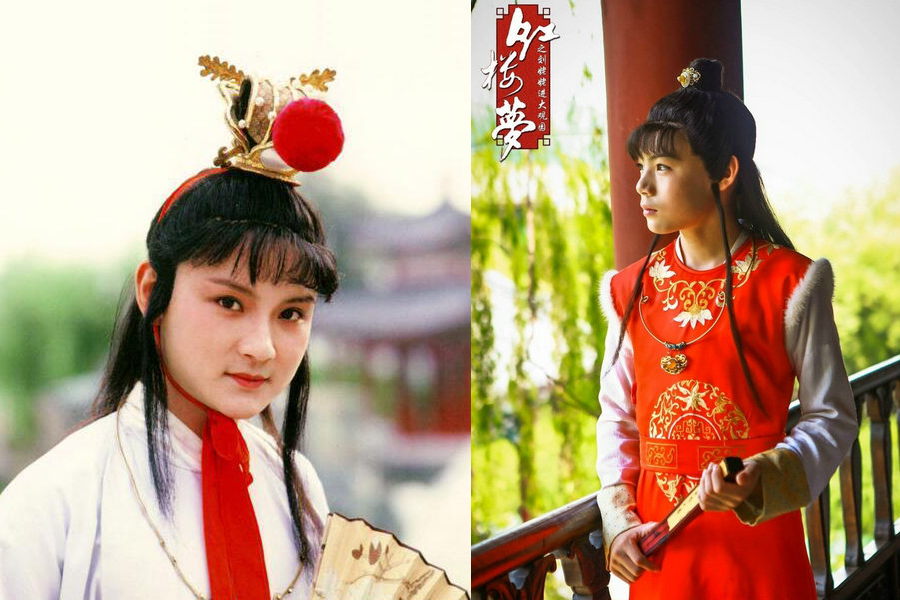
Jia Baoyu
Introduction
Jia Baoyu is a central character in the Chinese literary classic A Dream of Red Mansions (also known as The Story of the Stone), written by Cao Xueqin during the Qing Dynasty (1644–1911). This monumental novel is one of China's Four Great Classical Novels and is celebrated for its intricate portrayal of family dynamics, social structures, and philosophical themes. Jia Baoyu is depicted as a rebellious, sensitive, and poetic young man, whose life and relationships are central to the novel's exploration of love, family, and the decline of aristocratic society.
Character Overview
Jia Baoyu is introduced as the male heir of the wealthy and influential Jia family. He is born with a jade in his mouth, symbolizing his extraordinary destiny, and his name, "Baoyu," literally means "Precious Jade." This jade becomes a recurring motif in the novel, representing both his unique identity and the spiritual connection he shares with his cousin Lin Daiyu. Jia Baoyu is portrayed as a kind-hearted, free-spirited individual who resists the rigid social norms and expectations of his aristocratic family. He is deeply empathetic, especially toward women, and forms close bonds with the female characters in the novel, particularly Lin Daiyu and Xue Baochai.
Relationships and Love Triangle
Jia Baoyu's relationships with Lin Daiyu and Xue Baochai form the emotional core of A Dream of Red Mansions. Lin Daiyu, his cousin, is a delicate, sentimental, and highly intelligent young woman who shares a deep, almost spiritual connection with Jia Baoyu. Their love is tender yet fraught with misunderstandings and societal pressures. Xue Baochai, another cousin, is portrayed as a pragmatic and virtuous woman who embodies the ideal qualities of a traditional wife. The love triangle between Baoyu, Daiyu, and Baochai reflects the tension between personal desires and societal expectations, a recurring theme in the novel.
Symbolism and Themes
Jia Baoyu's character is rich in symbolism. His jade is said to be a leftover stone from the goddess Nyuwa's attempt to mend the sky, linking him to celestial and mystical elements. This connection underscores the novel's exploration of fate, spirituality, and the ephemeral nature of human existence. Baoyu's disdain for wealth, power, and traditional Confucian values sets him apart from other male characters in the story and highlights the novel's critique of feudal society.
The novel also delves into Baoyu's psychological and emotional struggles, particularly his inner conflict between his love for Daiyu and his family's expectations for him to marry Baochai. His eventual disillusionment with the material world leads him to seek spiritual enlightenment, a journey that mirrors the novel's broader philosophical inquiries into the nature of life and human suffering.








